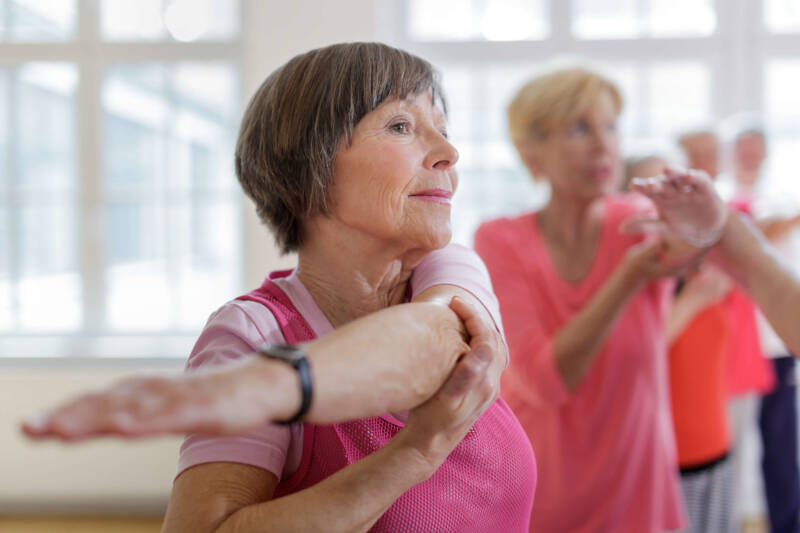
Appropriate physical activity can support strength, mood, sleep and cardiovascular fitness, while excessive or poorly timed exertion can worsen breathlessness, pain or fatigue. The right level depends on organ involvement, current symptoms and fitness. Start gradually, include recovery time and stop for chest pain, severe breathlessness, faintness or new neurological symptoms. Ask your clinician or physiotherapist for individual guidance.
Full translation of the Croatian article:
The impact of physical exertion in sarcoidosis
Sarcoidosis is a chronic disease characterised by the formation of granulomas (inflammatory nodules) in various organs, most commonly in the lungs, skin, lymph nodes, eyes and heart. Although many people affected may experience a mild form of the disease, sarcoidosis can cause serious health problems, including difficulty breathing, joint pain, chronic fatigue and reduced physical functioning. One of the challenges in managing this disease is balancing physical activity with the limitations that the disease may bring. Physical exertion can have different effects on people with sarcoidosis, depending on the stage of the disease, the organs affected and the severity of the symptoms. In this article, we will examine the positive and negative effects of physical exertion in people with sarcoidosis and provide guidelines for safe exercise and physical training.
Positive effects of physical exertion on people with sarcoidosis
Although sarcoidosis is associated with various health problems, moderate physical activity can have numerous benefits for those affected. Regular physical activity can help reduce the symptoms of the disease and improve quality of life. Here are several key benefits:
1. Improving cardiovascular health
Sarcoidosis can affect the heart, which can lead to reduced heart function and an increased risk of cardiovascular disease. Moderate exercise, such as brisk walking, cycling or light jogging, can help strengthen the heart, improve circulation and reduce the risk of developing heart disease. Exercise can increase the capacity of the heart and blood vessels and improve overall endurance.
2. Maintaining body weight and joint health
People with sarcoidosis often face weight loss due to the disease, while treatment with corticosteroids can cause weight gain. Physical activity helps maintain a healthy body weight and prevent weight gain. In addition, people who have joint or muscle pain, which is a common symptom of sarcoidosis, may experience relief from regular exercise, which improves joint mobility and reduces stiffness.
3. Reducing fatigue and improving overall health
One of the most common symptoms of sarcoidosis is fatigue, which can be exhausting and interfere with everyday activities. However, regular exercise can improve energy levels, reduce feelings of fatigue and increase overall fitness. A healthy lifestyle that includes physical activity helps strengthen the immune system, reduce stress and improve mood.
4. Preserving lung function
In people with pulmonary sarcoidosis, physical activity can help preserve lung function. Moderate aerobic activities, such as walking or cycling, can improve lung capacity, reduce symptoms of difficulty breathing and improve oxygenation of the body. Exercise can also help control breathing, which is beneficial for people who have respiratory problems due to the disease.
Negative effects of physical exertion on people with sarcoidosis
Although physical activity has many benefits, it is important to note that in some people with sarcoidosis, intense exercise can worsen symptoms or cause complications. The effects of physical exertion depend on the severity of the disease, the organs affected and the specific symptoms the person experiences.
1. Worsening of breathing symptoms and fatigue
People with pulmonary sarcoidosis may have difficulty breathing, even with moderate exertion. Excessive physical exertion can cause difficulty breathing, chronic discomfort and worsening symptoms, which may lead to the need for a longer recovery period. In addition, people who experience severe fatigue may feel further exhaustion after physical exertion, which can interfere with their everyday lives.
2. Increased risk of injuries and joint strain
If sarcoidosis causes pain in the joints, muscles or ligaments, excessive physical exertion can increase the risk of injury or worsen existing pain. People with sarcoidosis who have arthritis or muscle pain should be cautious about intense exercise, which can cause strain or worsening symptoms.
3. Effects on the immune system
Taking immunosuppressive medicines to treat sarcoidosis, such as corticosteroids, can weaken the immune system. This can increase the risk of infections, and excessive physical activity can place additional strain on the body, reducing its ability to fight infections. Intense exercise can increase the load on the body and lead to greater stress, which is detrimental for people taking medicines that reduce immunity.
---
Guidelines for safe exercise
For people with sarcoidosis, it is important to approach physical exertion with caution and consult a specialist, such as a pulmonologist, rheumatologist or physiotherapist, who will be able to recommend a safe exercise regimen. Here are several guidelines for safe exercise:
1. Start slowly: If you have just started exercising, begin with light activities such as brisk walking, swimming or yoga. Increase the intensity gradually, according to your own abilities.
2. Watch your symptoms: If you experience difficulty breathing, joint pain or extreme fatigue, stop the activities immediately and consult a doctor.
3. Maintain a balance: Combine aerobic activities (such as walking, cycling) with stretching and muscle-strengthening exercises to improve overall flexibility and strength, as well as prevent injuries.
4. Pay attention to your breathing: If you have breathing problems, focus on breathing exercises, such as those recommended by physiotherapists or pulmonologists, to improve lung capacity and control your breathing during exertion.
5. Hydration and nutrition: Drink enough water and follow a healthy diet to ensure you have enough energy for exercise and recovery.
Conclusion
Physical exertion plays an important role in managing sarcoidosis, but it is crucial to approach exercise with caution and in accordance with your own state of health. Moderate physical activity can improve cardiovascular health, preserve lung function, reduce joint pain and improve quality of life. However, it is important to monitor symptoms, adjust the intensity of activity and consult doctors to ensure that exercise is safe and effective.
The impact of physical exertion in sarcoidosis with neuropathy and atypical arthritis
Precautionary recommendations for people who have sarcoidosis with neuropathy and atypical arthritis
1. Understanding specific symptoms: Neuropathy and atypical arthritis
People with sarcoidosis often also have neuropathy and atypical arthritis, which further increase the risk of complications during physical exertion. Neuropathy can cause loss of sensation, pain, burning or tingling in the arms and legs, while atypical arthritis causes pain, swelling and stiffness in the joints. These complications make physical exertion more challenging and require special attention and adjustments to activities.
2. Caution when choosing exercises
Physical activity for people with neuropathy and atypical arthritis must be chosen carefully to prevent worsening symptoms. Moderate aerobic activities are recommended, such as:
Swimming or water aerobics: Water provides resistance while also reducing the load on the joints and nervous system, thereby reducing the risk of injury and pain.
Brisk walking: Walking at a moderate pace can help maintain joint function, improve circulation and strengthen muscles, while also reducing pressure on the nerves.
Yoga and Pilates: These activities help improve flexibility and balance, which is important for people with neuropathy. However, overly demanding or strenuous poses that may increase the load on the joints should be avoided.
When choosing exercises, overly intense activities that can cause excessive strain on the joints and nerves, such as running on hard ground or lifting heavy weights, should be avoided. It is also important to avoid sudden movements that can cause pain or discomfort.
3. Monitoring symptoms during and after exercise
People who have sarcoidosis with neuropathy and atypical arthritis need to pay close attention to their bodies during and after physical exertion. If symptoms worsen, such as:
Difficulty breathing
Increased joint pain
A tingling or burning sensation in the arms and legs
Difficulty moving or joint stiffness
...it is recommended to stop the activity immediately and rest. Regular monitoring of symptoms will help those affected recognise potentially harmful effects of physical exertion in time and take the necessary steps to prevent symptoms from worsening.
4. Including stretching and muscle-strengthening exercises
For people who have sarcoidosis with neuropathy and atypical arthritis, it is extremely important to include stretching exercises in their exercise regimen. Stretching can help with:
Maintaining joint flexibility
Reducing stiffness
Improving mobility and reducing muscle tension
In addition, muscle-strengthening exercises will help stabilise the joints, reduce pain and improve balance, thereby reducing the risk of falls and injuries. However, it is important that these exercises are gentle and controlled, rather than overly strenuous. It is recommended to work with a physiotherapist who can help choose appropriate exercises.
5. Proper hydration and nutrition
People with neuropathy and arthritis often have a greater need for hydration because of the medicines they take (e.g. corticosteroids), which can cause dehydration. Drinking water regularly, as well as consuming anti-inflammatory foods (such as omega-3 fatty acids, vegetables, fruit and whole grains), can help reduce inflammation and pain. In addition, antioxidants from food can help reduce oxidative stress, which is often present in people with neuropathy and arthritis.
6. Using orthopaedic aids
For people with neuropathy and atypical arthritis, using orthopaedic aids can significantly improve quality of life and reduce pain during exercise. These may include orthopaedic shoes, walking aids or elbow and knee protectors, which reduce the load on the joints and muscles and allow safe movement.
7. Consult a doctor or physiotherapist
People with sarcoidosis, neuropathy and atypical arthritis are advised to consult a doctor or physiotherapist before starting any physical exercise programme. A specialist will be able to recommend specific exercises tailored to the individual needs and condition of the person affected. In addition, regular medical check-ups will help monitor progress, adjust treatment and prevent complications.
Conclusion
Physical activity is extremely important for people who have sarcoidosis with neuropathy and atypical arthritis, but because of the specific symptoms and complications of this disease, exercise needs to be approached with caution. Moderate exercise can have numerous benefits, such as reducing pain, improving joint mobility and reducing fatigue, but it also carries a risk of worsening symptoms if it is not properly adapted.
Using orthopaedic aids, monitoring symptoms and consulting doctors are crucial for safe exercise and avoiding unwanted consequences.
Dino-Josip Ključarić