

Splenic Sarcoidosis
Sarcoidosis can cause granulomas or enlargement of the spleen. Some people have no symptoms; others may experience abdominal fullness, discomfort, fatigue or changes in blood counts.
Doctors assess the spleen together with other organ involvement. Seek urgent help for severe abdominal pain, fainting or signs of bleeding.
The spleen is a large organ on the left side of the body beneath the ribs. It filters red blood cells and some types of white blood cells and, together with the lymph nodes, is part of the lymphatic system, which regulates blood cells and plays a role in immunity.
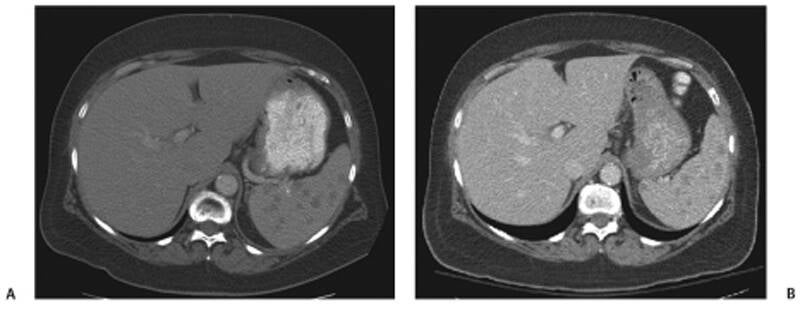
Splenic sarcoidosis usually causes no symptoms, but possible symptoms include:
-Pain in the upper left side beneath the ribs
-A feeling of pressure in the same area
-Fatigue
Some of the problems sarcoidosis can cause when it affects the spleen include:
Enlargement of the spleen, also called splenomegaly, which occurs when inflammation and granuloma formation cause the spleen to swell.
Anaemia, which occurs when the blood does not contain enough healthy red blood cells to carry sufficient oxygen to the body’s tissues, and can cause fatigue.
Leukopenia, which occurs when there are not enough white blood cells circulating in the body and makes the body more susceptible to infection.
Thrombocytopenia, which occurs when there are not enough circulating platelets for blood clotting.
Sarcoidosis commonly affects the spleen and can cause both splenomegaly and multiple nodules in the spleen. Other organ systems may be involved, but this is not always the case. Knowing the typical presentation and appearance of splenic sarcoidosis can prevent an unnecessary splenectomy. Diagnosis may require a needle biopsy and exclusion of other granulomatous diseases.
Splenic involvement, evident as splenomegaly on clinical examination or imaging, was less common and occurred in approximately 7% of patients in one large multicentre study.
Although sarcoidosis is often asymptomatic, it can present with systemic symptoms of fatigue, fever and weight loss...
Treatment and prognosis
Immunosuppressive medicines such as corticosteroids are most commonly used. Methotrexate, azathioprine and chloroquine have also shown some benefit. Spontaneous remissions are common.
However, 10–30% of patients have a chronic progressive course.
Sarcoid granulomas usually occur in the white pulp in association with the arterial circulation. Although often small, they can merge to produce nodules visible to the naked eye. A palpable spleen is identified on physical examination in 5–14% of patients with sarcoidosis. Marked splenomegaly can occur, with discomfort due to stretching of the capsule or a mass effect within the abdomen. Symptoms associated with hypersplenism may occur.
Diagnosis
Imaging of splenic sarcoidosis
On imaging, the spleen may show splenomegaly or multiple nodules.
Splenomegaly is the most common finding and occurs in approximately one third of patients.
The differential diagnosis of splenomegaly can be extensive.
It may result from conditions that interfere with normal blood flow through the spleen, such as congestive heart failure and cirrhosis, or from diffuse infiltrative disease. The latter category includes neoplastic conditions, such as lymphoma and leukaemia, and benign diseases, such as Gaucher disease and sarcoidosis. Various infections, including mononucleosis and cytomegalovirus, can cause splenomegaly. Haematological disorders are also possible causes.
Source: https://www.sciencedirect.com/science/article/abs/pii/S0887217106000886
https://www.stopsarcoidosis.org/what-is-sarcoidosis/organs-involved/