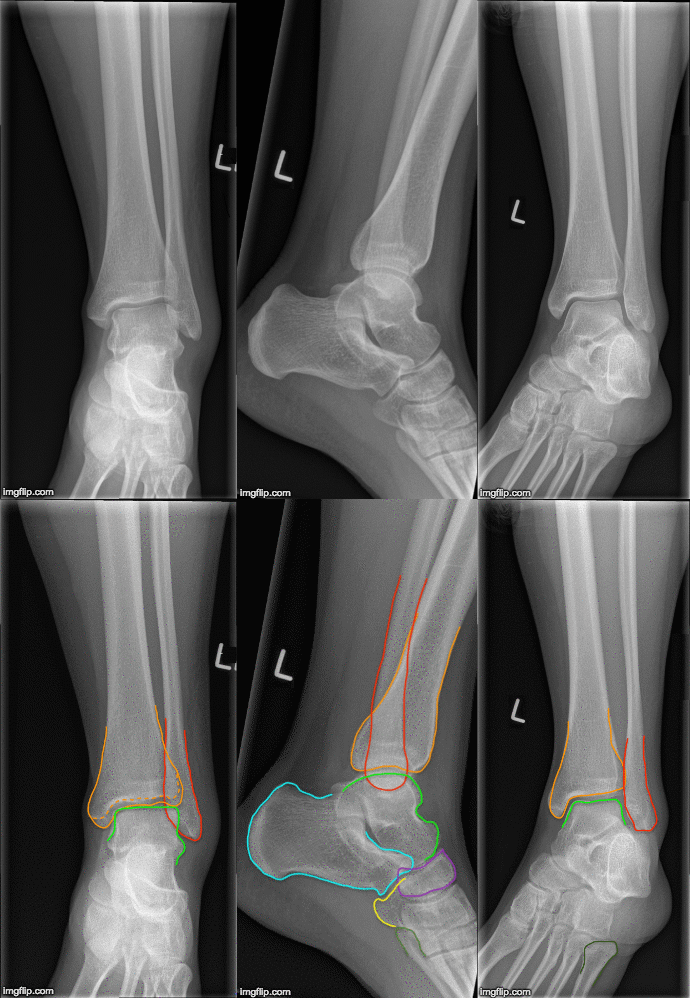
Joint Pain and Sarcoidosis
Joint pain and stiffness are common musculoskeletal complaints in sarcoidosis. Symptoms may reflect active inflammation, arthritis, tendon involvement, osteoarthritis or another condition.
Medical assessment can guide treatment, exercise and rehabilitation. Seek advice before starting anti-inflammatory medicines, especially if you have kidney, stomach, heart or blood-pressure problems.
SARCOIDOSIS AND THE JOINTS, MUSCLES AND BONES
Sarcoidosis can affect many parts of the body, including the joints, muscles and bones. Approximately 1 in 5 patients with sarcoidosis has these musculoskeletal symptoms. This contains more information about the symptoms, investigations and treatment of sarcoidosis affecting the joints, muscles and bones.
Bones
Sarcoidosis can affect bones in two ways: directly through inflammation in the bone and indirectly through treatments undertaken to relieve the symptoms of sarcoidosis.
Symptoms
Most people with sarcoidosis in the bones do not experience symptoms. Any bone changes caused by this condition are seen on imaging scans. Your doctor will often want to carry out further tests: these changes can also be caused by other conditions, and it is important to find out whether they are due to sarcoidosis.
It may not be necessary to change your treatment for sarcoidosis if your bones are affected, especially if they are not causing you any symptoms. However, your doctor may sometimes recommend medicines that act on the immune system, similar to the treatment for joint or muscle disease.
Treatment side effects: Patients with sarcoidosis are often treated with corticosteroid therapy (prednisolone). This can cause softening of the bones (osteoporosis). Thin bones do not cause symptoms, but leave the bones weakened, more fragile and more likely to break.
Investigations
Patients on long-term steroid therapy can be screened for osteoporosis using a bone-density scan (a 'DEXA' scan). This measures how strong your bones are and can help guide treatment. Your doctor may also measure calcium and vitamin D levels. Sarcoidosis can affect their levels, and they are important for healthy bones.
Treatment
There are a number of treatments that help strengthen bones and prevent fractures. The most commonly prescribed medicine is alendronic acid once a week. This is sometimes prescribed with calcium and/or vitamin D supplements.
Because people with sarcoidosis may be prone to high calcium levels, it is important to measure calcium and vitamin D levels before taking any dietary supplements. These levels will then be monitored regularly with blood tests. For further advice, visit the SarcoidosisUK website.
Advice
Keep your bones healthy:
-be physically active
-get enough calcium (dairy products, fruit and vegetables)
-get enough vitamin D (sunlight)
Joints
Chronic joint pain affects fewer than 1% of all patients with sarcoidosis. It is important for your doctor to know about your joint symptoms because changes to your treatment or physiotherapy could benefit you.
Symptoms: Any joint can be affected by sarcoidosis, but the main joints affected are the feet, ankles and knees.
Symptoms usually include:
-pain
-stiffness and stiffness
-swelling, sometimes red in colour
Investigations
Joint pain is diagnosed after a consultation with a doctor. Further investigations are occasionally needed. These may include X-rays of your joints or other imaging tests (ultrasound or MRI). Your doctor may take a sample of fluid from your swollen joint using a needle and syringe (biopsy).
Treatment
There are a number of treatments that can reduce symptoms in your joints. These may include non-steroidal anti-inflammatory drugs (NSAIDs), corticosteroids (prednisolone), or other medicines that act on the immune system, such as methotrexate.
Advice
Inflamed joints can be painful and can restrict everyday movement. Despite this, try to move and exercise every day. Exercise can help reduce the stiffness felt around the joints. If you experience moderate to severe joint pain as a result of exercise, stop immediately and consult a doctor.
'Löfgren syndrome'
Some patients may develop sudden joint pain and swelling, most commonly in the ankles. At the same time, they may develop painful red or purple lumps on the lower legs. These skin changes are called 'erythema nodosum'. When these symptoms occur together, your doctor may arrange a chest X-ray to look for enlarged lymph glands in the chest.
These lymph glands usually do not cause any symptoms. The combination of these joint symptoms, skin changes (erythema nodosum) and enlarged lymph glands in the chest on an X-ray is called 'Löfgren syndrome'. This is a seasonal condition that occurs most often in spring and autumn when the temperature changes.
Treatment
'Löfgren syndrome' often goes away on its own, without the need for specific medicines. Sometimes non-steroidal anti-inflammatory drugs (NSAIDs) or corticosteroids (prednisolone) are given for a short time to relieve the symptoms.
Muscles
Muscle involvement in sarcoidosis is relatively uncommon. Some people may develop lumps in their muscles that can be painful. In other cases, muscle involvement is less specific and can cause a feeling of muscle weakness. It is important to tell your doctor if these symptoms develop.
Investigation
This may include scans of the muscles (an MRI scan or a CT PET scan), electrical tests of the muscles, or taking a sample of muscle (biopsy). Muscle biopsies are simple procedures to perform and can be done under local anaesthesia.
Treatment
When muscles are affected by sarcoidosis, treatment is usually a combination of corticosteroids (prednisolone) with other medicines that act on the immune system (e.g. azathioprine or methotrexate).
Information was compiled with the help of sarcoidosis specialists Dr K. Bechman and Dr J. Galloway, Rheumatology, Kings College Hospital, London.