

Ocular Sarcoidosis
Ocular sarcoidosis: Everything you need to know
Troy Bedinghaus, OD. Updated 27 January 2023.
Medically reviewed by Johnstone M. Kim, MD.
Ocular sarcoidosis may affect the uvea, conjunctiva, lacrimal glands, retina or optic nerve. Redness, pain, light sensitivity, blurred vision, floaters or dry eyes require prompt ophthalmic assessment.
Treatment depends on the site and severity of inflammation and may include eye drops, injections or systemic immunosuppression. Sudden vision loss is an emergency.
This article describes what to expect with ocular sarcoidosis, including its symptoms, diagnosis, causes and treatment.
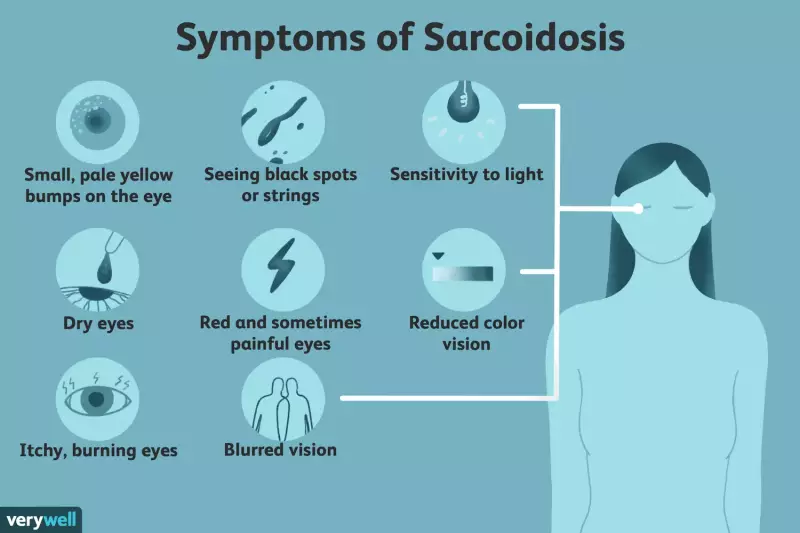
Symptoms of ocular sarcoidosis
Eye involvement is very common in sarcoidosis. Between 25% and 80% of patients with sarcoidosis have symptoms affecting their eyes at some point.
Depending on where inflammation occurs in the eye, the following symptoms may develop:
-Dry eyes
-Itchy, burning eyes
-Red and sometimes painful eyes
-Blurred vision
Seeing black spots or threads
-Sensitivity to light
-Reduced colour vision
-People with sarcoidosis may also have small, pale-yellow bumps on the eye.
Causes
Sarcoidosis is a disease that can affect many organs in the body, but mainly the lungs. It usually occurs in adults between the ages of 20 and 40.
Some people develop uveitis as a complication of sarcoidosis. Uveitis is inflammation of the uvea, the blood-rich layer of the eye. The uvea lies between the sclera and the retina.
In uveitis, white blood cells accumulate in the front of the eye. Inflammation can cause internal structures, such as the iris and lens, to stick together. This can result in increased pressure inside the eye.
Patients may report eye pain, redness and mild to extreme sensitivity to light. Although rare, blindness can occur if uveitis is not treated.
Diagnosis
An ophthalmologist examines the front of the eye with an illuminated microscope. Dilating drops widen the pupils so that the back of the eyes can be examined. The doctor looks for signs of inflammation.
Because dry eyes are common in sarcoidosis, tear production may be assessed with the Schirmer test. This test uses absorbent paper placed at the lower eyelid to measure tears.
Treatment
Treatment of ocular sarcoidosis depends on the affected area of the eye. Your ophthalmologist may prescribe:
-Anti-inflammatory eye drops to reduce inflammation
-Dilating drops to prevent the iris from sticking to the lens
-Artificial tears to treat dry eyes
-Corticosteroid treatment, in tablets taken by mouth, which may be effective in persistent cases
Coping
Because eye problems are common in sarcoidosis, early detection is important. Appropriate monitoring and treatment can slow or prevent permanent damage. Patients with sarcoidosis should visit an ophthalmologist at least once a year to check for complications.
If you have been diagnosed with sarcoidosis, plan a comprehensive annual eye examination with an optometrist or ophthalmologist during the first few years after diagnosis.
Source: https://www.verywellhealth.com/sarcoidosis-effects-3422010